Enlarged Prostate (BPH): Symptoms, Causes, and Treatment
Enlarged Prostate FAQ
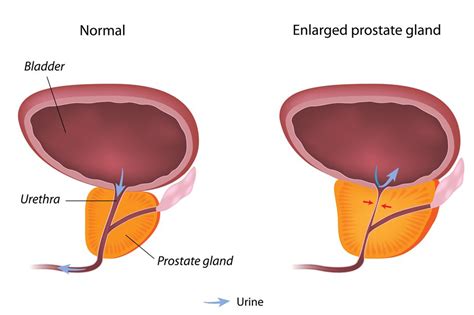
Is an enlarged prostate serious?
An enlarged prostate is not usually serious, but can cause troubling symptoms needing treatment. The prostate is a gland that should be about the size of a walnut. It sits at the base of the bladder - the organ that stores urine. When men urinate, the urine flows into a long tube called the urethra, which passes through the centre of the prostate.
What are the symptoms of enlarged prostate?
Some other health problems can lead to symptoms that are like those caused by enlarged prostate. These include: Urinary tract infection. Inflamed prostate. Narrowing of the urethra, the tube that carries urine out of the body. Scarring in the bladder neck due to past surgery. Bladder or kidney stones. Problems with nerves that control the bladder.
What causes prostate enlargement?
In others, they can be very troublesome. The cause of prostate enlargement is unknown, but it's believed to be linked to hormonal changes as a man gets older. The balance of hormones in your body changes as you get older and this may cause your prostate gland to grow.
Can enlarged prostate be treated without treatment?
For some people, symptoms of BPH can ease without treatment. Taking medicine is the most common treatment for mild to moderate symptoms of an enlarged prostate. Options include: Alpha blockers. Alpha blockers work by relaxing the smooth muscle of the bladder neck and prostate. This makes peeing easier.
What is an enlarged prostate?
It's also called an enlarged prostate. The prostate is a small gland that helps make semen. It's found just below the bladder. And it often gets bigger as you get older. An enlarged prostate can cause symptoms that may bother you, such as blocking the flow of urine out of the bladder. It also can cause bladder, urinary tract or kidney problems.
What are the symptoms of an enlarged prostate?
The symptoms of an enlarged prostate are called lower urinary tract symptoms (LUTS). See the separate leaflet called Lower Urinary Tract Symptoms in Men for more details. LUTS can also be caused by other conditions. As the prostate enlarges it may cause narrowing of the urethra. This may partially obstruct the flow of urine.
Why is my prostate swollen and enlarged?
It can sometimes become swollen or enlarged by conditions such as: Prostate enlargement is a very common condition associated with ageing. More than 1 in 3 of all men over 50 will have some symptoms of prostate enlargement.
What is benign prostate enlargement?
Doctors call the condition benign prostate enlargement. Benign means a growth that is not cancer. The risk of prostate cancer is no greater for men with an enlarged prostate. But the chances of developing prostate cancer also increase with age - and the symptoms can be similar. So those with prostate problems should ask their doctor for a check-up.
Enlarged Prostate References
If you want to know more about Enlarged Prostate, consider exploring links below:
What Is Enlarged Prostate
- https://www.nhs.uk/conditions/prostate-enlargement/
- https://www.medicalnewstoday.com/articles/enlarged-prostate-symptoms
- https://www.mayoclinic.org/diseases-conditions/benign-prostatic-hyperplasia/symptoms-causes/syc-20370087
- https://www.bbc.co.uk/news/health-68016928
- https://patient.info/mens-health/prostate-and-urethra-problems/prostate-gland-enlargement
- https://www.niddk.nih.gov/health-information/urologic-diseases/prostate-problems/prostate-enlargement-benign-prostatic-hyperplasia
- https://www.nhsinform.scot/illnesses-and-conditions/kidneys-bladder-and-prostate/benign-prostate-enlargement/
Enlarged Prostate Information
Explore Related Topics
Is Regular Check-up Necessary for Maintaining Prostate Health?
Initiate a discussion about the importance of regular prostate check-ups as a preventive measure and share personal experiences or concerns
What are the potential long-term side effects of prostate health treatments?
Dive into a conversation about the potential long-term side effects of prostate health treatments and share your insights or experiences with managing these effects.
What should I consider before undergoing surgical intervention for prostate health issues?
Join the conversation about important factors to consider before opting for surgical interventions for prostate health conditions and gain insights from others who have been through the process.
How does transurethral resection of the prostate (TURP) help in prostate health treatments?
Engage in a conversation about the benefits of transurethral resection of the prostate (TURP) as a surgical intervention for prostate health conditions and its impact on symptoms.
Hormone therapy for prostate health: Is it a viable option for older men?
Discuss the potential benefits and risks of hormone therapy as a treatment option for older men with prostate health concerns.
Can pelvic floor exercises improve urinary continence in men with prostate issues?
Dive into the world of pelvic floor exercises and their potential to enhance urinary continence in men with prostate issues.
Is laparoscopic surgery a viable option for prostate health treatments?
Engage in a discussion on the efficacy of laparoscopic surgery for prostate health conditions and its potential advantages over other surgical approaches.
Are there any side effects associated with common prostate health medications?
Let's talk about the possible side effects of common medications used for prostate health and discuss how to manage them.
What are the potential side effects of radiation therapy for prostate cancer?
Discuss and learn about the potential side effects of radiation therapy for prostate cancer, including both short-term and long-term effects.
Can physiotherapy relieve symptoms of an enlarged prostate?
Discover how physiotherapy can potentially alleviate symptoms related to an enlarged prostate and improve overall prostate health.