Understanding Low Libido and Its Impact on Relationships
Low Libido FAQ
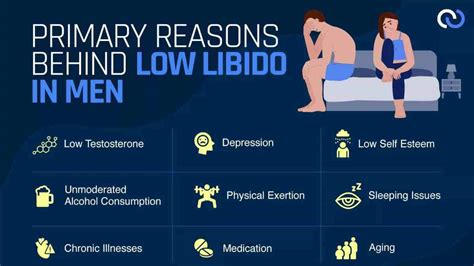
Is a low libido normal?
It’s normal for women’s libido, or sex drive, to fluctuate across time, especially because of major life changes or stress. Sometimes, hormonal or physical changes are at play. Certain medications can lead to sexual dysfunction, including a low libido in women. In many cases, a reduced sex drive is nothing to worry about.
What is low libido (low sex drive)?
Low libido (low sex drive) is a decrease in the frequency and/or intensity of sexual desire that you once had. It can be temporary or long-term. Libido is your overall sexual drive or desire for sexual activity, which includes sex with a partner and masturbation. Libido is complex and is influenced by biological, psychological and social factors.
What are the symptoms of low libido?
Other symptoms include: Having no interest or a decrease in interest in any type of sex, including masturbation. Having a decrease in sexual fantasies or thoughts of sex. Feeling unhappy or distressed about having a low desire for sexual activity. What causes low libido? Several biological, psychological and social factors can lead to low libido.
What does low libido mean?
Low libido describes a decreased interest in sexual activity. It’s common to lose interest in sex from time to time, and libido levels vary through life. It’s also normal for your interest not to match your partner’s at times. However, low libido for a long period of time may cause concern for some people.
Low Libido References
If you want to know more about Low Libido, consider exploring links below:
What Is Low Libido
- https://my.clevelandclinic.org/health/diseases/15216-low-libido-low-sex-drive
- https://www.mayoclinic.org/diseases-conditions/low-sex-drive-in-women/symptoms-causes/syc-20374554
- https://www.healthline.com/health/low-testosterone/conditions-that-cause-low-libido
- https://www.verywellhealth.com/low-libido-in-women-7558399
- https://www.forbes.com/health/wellness/low-libido-causes-men-women/
- https://www.medicalnewstoday.com/articles/324861
- https://newsnetwork.mayoclinic.org/discussion/lets-talk-low-libido/
- https://www.psychologytoday.com/us/blog/balanced-mind/202107/5-possible-causes-low-sex-drive-in-women
Low Libido Information
- https://www.spirehealthcare.com/health-hub/specialties/men-s-health/low-libido-low-sex-drive-in-men-from-diagnosis-to-treatment/
- https://www.sandyhealthcentre.nhs.uk/conditions/loss-of-libido/
- https://www.msdmanuals.com/en-gb/home/men-s-health-issues/sexual-function-and-dysfunction-in-men/decreased-libido-in-men
- https://www.netdoctor.co.uk/conditions/sexual-health/a2251/lack-of-sex-drive-in-men-lack-of-libido/
Explore Related Topics
Combining shockwave therapy and medication: A promising approach for erectile dysfunction?
Discuss the potential benefits of combining shockwave therapy, a non-invasive procedure, with medication for the treatment of erectile dysfunction.