Benign Prostatic Hyperplasia (BPH): Symptoms and Treatments
Benign Prostatic Hyperplasia (BPH) FAQ
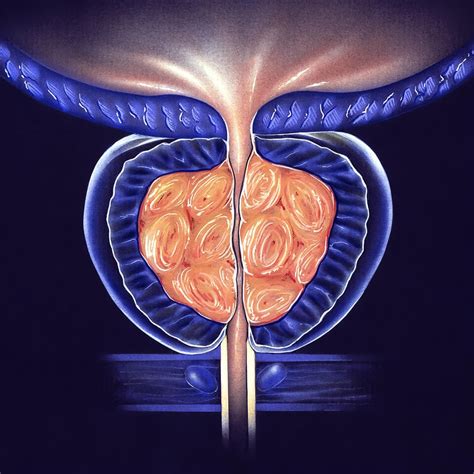
What is benign prostatic hyperplasia (BPH)?
Benign prostatic hyperplasia (BPH) is a health issue that becomes more common with age. It's also called an enlarged prostate. The prostate is a small gland that helps make semen. It's found just below the bladder. And it often gets bigger as you get older.
Is BPH a malignancy?
As the name suggests, BPH is a benign condition associated with the proliferation of the smooth muscles and the epithelial cells in the transition zone of the prostate; there is no potential for malignancy. Often men can have prostatic enlargement, associated bladder outlet obstruction, and be asymptomatic. 2
What are the complications of benign prostatic hyperplasia (BPH)?
Common complications that may occur as a result of benign prostatic hyperplasia include: Benign prostatic hyperplasia is the enlargement of the prostate gland, primarily affecting the smooth muscles and the epithelial cells in the transition zone. The aetiology of BPH is multifactorial and involves genetic, lifestyle, and hormonal factors.
What causes benign prostatic hyperplasia?
Scientific studies have suggested that benign prostatic hyperplasia may occur because the higher proportion of estrogen within the prostate increases the activity of substances that promote prostate cell growth. Another theory focuses on dihydrotestosterone (DHT), a male hormone that plays a role in prostate development and growth.
What causes prostate enlargement & benign prostatic hyperplasia?
The cause of prostate enlargement is unknown, but it's believed to be linked to hormonal changes as a man gets older. The balance of hormones in your body changes as you get older and this may cause your prostate gland to grow. This animation explains the possible causes of prostate enlargement or benign prostatic hyperplasia.
What is benign prostate enlargement?
Benign prostate enlargement is a condition associated with ageing and is common in men and anyone with a prostate over 50 years of age. How can we improve this page?
What is benign prostate enlargement (BPE)?
Benign prostate enlargement (BPE) is the medical term to describe an enlarged prostate, a condition that can affect how you pee (urinate). BPE is common in men aged over 50. It's not a cancer and it's not usually a serious threat to health.
Benign Prostatic Hyperplasia (BPH) References
If you want to know more about Benign Prostatic Hyperplasia (BPH), consider exploring links below:
What Is Benign Prostatic Hyperplasia (BPH)
- https://www.nhs.uk/conditions/prostate-enlargement/
- https://www.mayoclinic.org/diseases-conditions/benign-prostatic-hyperplasia/symptoms-causes/syc-20370087
- https://www.niddk.nih.gov/health-information/urologic-diseases/prostate-problems/prostate-enlargement-benign-prostatic-hyperplasia
- https://bestpractice.bmj.com/crawler/topics/en-gb/208
- https://en.wikipedia.org/wiki/Benign_prostatic_hyperplasia
- https://my.clevelandclinic.org/health/diseases/9100-benign-prostatic-hyperplasia
- https://www.nhsinform.scot/illnesses-and-conditions/kidneys-bladder-and-prostate/benign-prostate-enlargement/
- https://geekymedics.com/benign-prostatic-hyperplasia-bph/
Benign Prostatic Hyperplasia (BPH) Information
Explore Related Topics
The significance of open communication in psychosexual support for prostate health
Join the conversation on the importance of open communication in seeking and providing psychosexual support for maintaining prostate health. Share tips, experiences, and advice to empower others.
What are the latest advancements in minimally invasive treatments for prostate health?
Discover the latest advancements in minimally invasive treatments for prostate health and share your thoughts or experiences with these cutting-edge procedures.